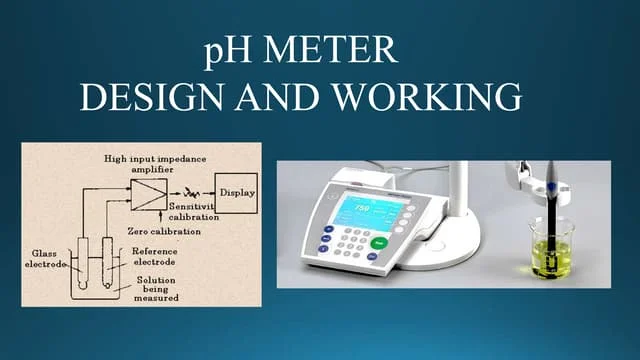
by Dr. Yashashwini Reddy | Aug 9, 2025
Working Principle of a pH Meter Definition A pH meter is an analytical instrument used to measure the hydrogen ion concentration ([H⁺]) in a solution, expressing it as pH (potential of hydrogen). Principle A pH meter works on the electrochemical principle of measuring...
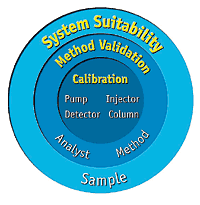
by Dr. Yashashwini Reddy | Aug 9, 2025
System Suitability in HPLC Analysis What is System Suitability? System Suitability Testing (SST) is a set of analytical checks performed before and during analysis to ensure that the HPLC system and method are capable of producing accurate, precise, and reproducible...
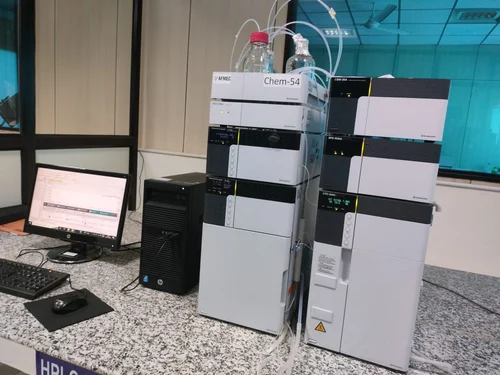
by Dr. Yashashwini Reddy | Aug 9, 2025
10 Tips for HPLC Analysis in Pharmaceuticals Choose the Right Column Select the correct stationary phase (C18, C8, phenyl, etc.) based on analyte polarity. Consider particle size, column length, and pore size for optimal separation. Prepare Mobile Phase Properly Use...
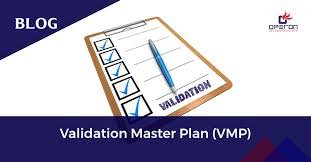
by Dr. Yashashwini Reddy | Jun 9, 2025
What is a Validation Master Plan (VMP)? A Validation Master Plan is a high-level document that outlines the overall strategy, scope, approach, and responsibilities for validation activities within a pharmaceutical facility. It serves as a roadmap to ensure all...

by Dr. Yashashwini Reddy | Jun 9, 2025
Importance of Validation in Pharmaceuticals Validation in the pharmaceutical industry is a documented process that proves that a system, equipment, method, or process consistently produces a result meeting predetermined quality standards. It is a fundamental part of...