Regulatory Compliance: 8 Common Mistakes and How to Avoid Them
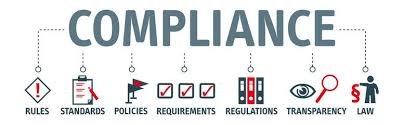
📌 Regulatory Compliance in Pharmaceuticals: 8 Common Mistakes and How to Avoid Them
Definition:
Regulatory compliance in pharmaceuticals means adhering to laws, regulations, and guidelines (e.g., US FDA, EMA, WHO, MHRA, CDSCO) to ensure medicines are safe, effective, and high-quality.
Failing to comply often leads to FDA 483s, Warning Letters, product recalls, and reputational damage.
🔹 8 Common Mistakes & How to Avoid Them
1. Inadequate Documentation & Record Keeping
-
❌ Mistake: Incomplete, backdated, or missing batch records, SOPs, or logbooks.
-
✅ Solution:
-
Follow ALCOA+ principles (Attributable, Legible, Contemporaneous, Original, Accurate).
-
Implement electronic documentation where possible.
-
Regular internal audits of records.
-
2. Poor Data Integrity Practices
-
❌ Mistake: Altered results, unreviewed audit trails, or missing raw data.
-
✅ Solution:
-
Train employees on data integrity culture.
-
Perform periodic audit trail reviews.
-
Use validated computerized systems (21 CFR Part 11 / Annex 11 compliance).
-
3. Failure in Change Control
-
❌ Mistake: Implementing changes in processes, equipment, or systems without proper assessment.
-
✅ Solution:
-
Robust Change Control System with risk assessment.
-
QA review and approval before implementation.
-
Trend analysis of changes in APQR/PQR.
-
4. Weak Deviation & CAPA Management
-
❌ Mistake: Delayed deviation reporting, poor root cause analysis, or ineffective CAPAs.
-
✅ Solution:
-
Encourage immediate reporting culture.
-
Use tools like 5 Whys, Fishbone Diagram for RCA.
-
Verify CAPA effectiveness before closure.
-
5. Inadequate Cleaning & Contamination Control
-
❌ Mistake: Cross-contamination, poor cleaning validation, or improper gowning.
-
✅ Solution:
-
Implement validated cleaning procedures.
-
Follow line clearance and segregation practices.
-
Routine environmental and microbiological monitoring.
-
6. Lack of Employee Training & Qualification
-
❌ Mistake: Untrained operators handling critical processes or documentation.
-
✅ Solution:
-
Regular GMP training with assessments.
-
Maintain training records and competency checks.
-
Cross-train employees for critical operations.
-
7. Incomplete Equipment & Facility Qualification
-
❌ Mistake: Using unqualified equipment or poorly maintained HVAC/water systems.
-
✅ Solution:
-
Perform IQ, OQ, PQ for all equipment.
-
Validate utilities (HVAC, water, compressed air).
-
Preventive maintenance and calibration schedule.
-
8. Ignoring Regulatory Updates
-
❌ Mistake: Following outdated guidelines or not adapting to updated FDA/EMA/ICH requirements.
-
✅ Solution:
-
Subscribe to regulatory updates (FDA, EMA, WHO).
-
Conduct periodic gap assessments.
-
Revise SOPs and training programs accordingly.
-
🔹 Key Takeaway
Regulatory compliance is not a one-time activity, but a continuous process that requires:
-
Culture of quality
-
Robust QMS
-
Ongoing monitoring and improvement
🎓 Discover one of the best Complete Pharmaceutical Quality Assurance Course available —click below to explore the course that’s shaping future in QA Course skills.